
Why Do I Look So Tired? What Causes Sunken Eyes and How to Restore Them
It is one of the most frustrating things to hear. You woke up feeling rested. You managed to get a full eight hours of sleep. Yet, you look in the mirror or walk into work only to hear the same question from friends or coworkers: “Are you feeling okay? You look tired.”
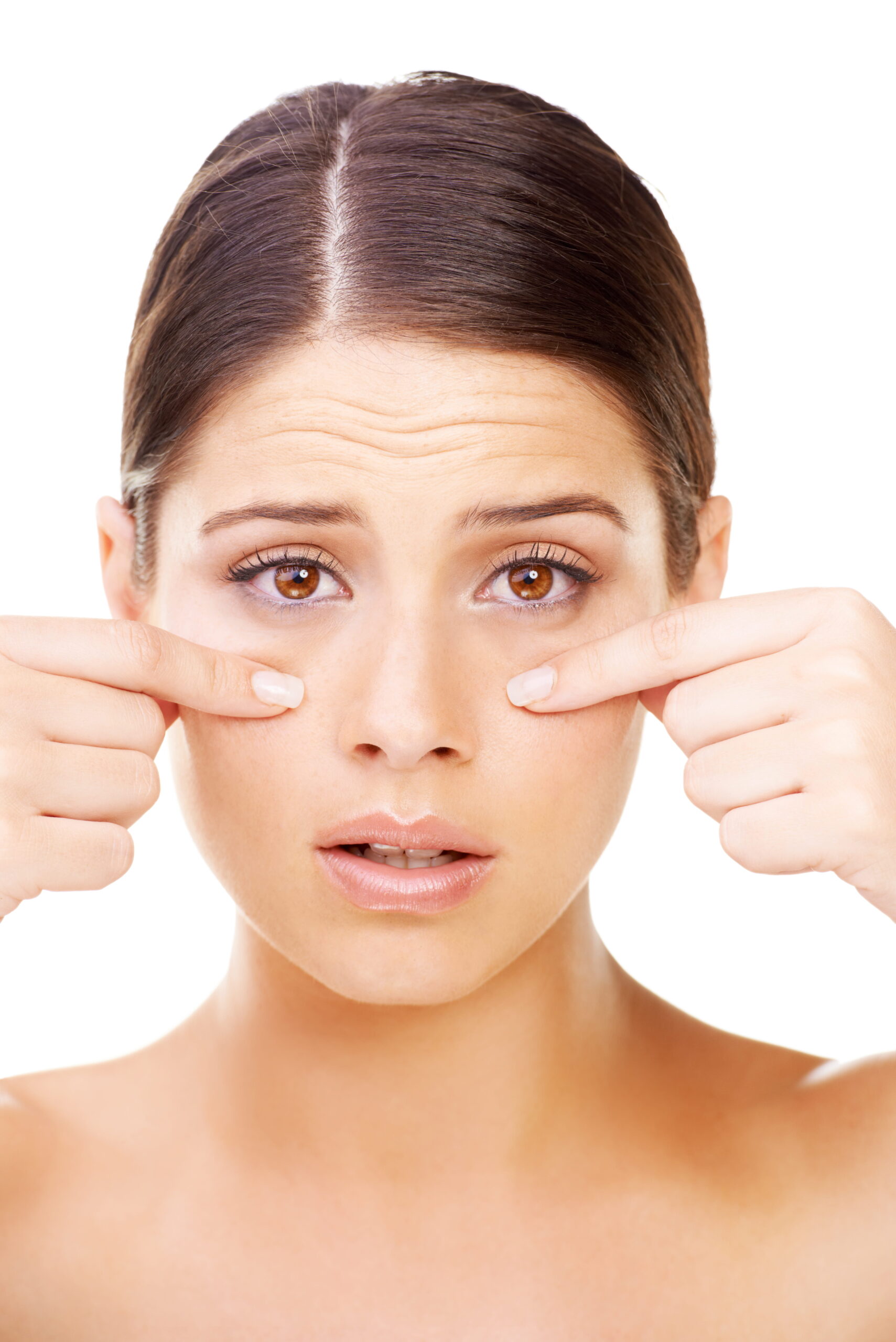
For many people, dark circles and hollows under the eyes are not just a temporary sign of a bad night. They are a persistent struggle that concealer cannot fully hide. This condition is commonly referred to as “sunken eyes” or deep tear troughs. It creates a distinct shadow between the lower eyelid and the cheek which gives the entire face a weary or aged appearance.
While common advice suggests drinking more water or catching up on rest, these remedies often fail to make a noticeable difference. That is because the root cause is usually structural rather than behavioral. At Synergy Aesthetics Duluth, we understand that sunken eyes are often a result of physical changes beneath the skin that no amount of eye cream can fix alone. Here is a look at what is actually happening beneath the surface and how you can truly restore your refresh.
What Causes Sunken Eyes? (It’s Not Just Lack of Sleep)
Many of our clients assume their dark circles are strictly a result of their lifestyle. While stress and exhaustion can certainly make things worse, the primary drivers of sunken eyes are often biological. Understanding the root cause is the first step toward finding a solution that actually works.
1. The Natural Aging Process (Volume Loss)
The most common cause of under-eye hollows is simply the passage of time. Our faces are supported by small pockets of fat located underneath the skin. These fat pads provide the volume that gives younger faces their round and smooth appearance.
As we age, these fat pads naturally shrink and shift downward. At the same time, our bodies produce less collagen and elastin. This combination causes the skin to thin and the area under the eye to lose its cushion. You can think of it like a grape turning into a raisin. As the volume inside decreases, the skin on the outside begins to sink and shadow.
2. Genetics and Bone Structure
Sometimes the issue has nothing to do with age. If you have had dark circles or hollows since your twenties, you likely have genetics to thank.
Your facial bone structure plays a significant role in how your eyes appear. Some individuals are born with naturally deep-set tear troughs or orbital bones that sit further back. Additionally, some people genetically have thinner skin under the eyes. This transparency makes the underlying blood vessels more visible, which creates a dark or bruised look even when you are perfectly rested.
3. Dehydration and Lifestyle Factors
While structure is key, your daily habits can exacerbate the problem. The skin under your eyes is some of the thinnest on your entire body. This makes it incredibly sensitive to fluid changes.
When you are dehydrated, your body retains water as a survival mechanism. Paradoxically, this can sometimes lead to puffiness, but chronic dehydration generally causes the skin to look dull and sunken. Excessive consumption of coffee, alcohol, or high-sodium foods can speed up this dehydration process and make hollows appear much deeper than they actually are.
4. Rapid Weight Loss
Losing weight is often a goal for health and wellness, but it can have unintended side effects on your face. Because you cannot tell your body where to burn fat from, many people notice that their face slims down before the rest of their body.
When you lose a significant amount of weight quickly, the volume in your cheeks and under-eyes diminishes. Without that supportive fat, the skin around the orbital bone settles into the hollows, which instantly creates a more tired or gaunt appearance.
Can You Fix Sunken Eyes Naturally?
We all love a good skincare hack. You have likely seen social media trends involving cold spoons, cucumber slices, or caffeine-infused serums. It is true that these methods have their place in a beauty routine, but it is important to understand their limitations.
The Limits of Home Remedies
Natural remedies are primarily effective for treating the surface symptoms of tired eyes. For example, applying a cold compress can constrict blood vessels and reduce fluid retention. This is excellent if your eyes are puffy from allergies or a salty dinner the night before. Similarly, getting consistent sleep and staying hydrated will improve your overall skin brightness.
However, these lifestyle changes cannot address the root cause of sunken eyes if that cause is volume loss. No amount of water or expensive eye cream can restore the fat pads that have dissolved with age. Likewise, no serum can alter your genetic bone structure.
If your dark circles are caused by a shadow cast from a deep tear trough, topical treatments will only ever provide a minor improvement. They treat the skin texture rather than the structural deficits underneath. To truly fill the hollow and erase the shadow, you often need to look beyond the medicine cabinet.
Professional Treatments: Restoring Volume & Brightness
When home remedies reach their limit, medical aesthetics can step in to provide the structural support your skin needs. There are two primary ways to treat sunken eyes, and they work in very different ways.
Dermal Fillers (The “Instant” Fix)
For many patients, the goal is to see an immediate difference. Dermal fillers are the most popular non-surgical option for this. Most under-eye fillers are made of Hyaluronic Acid (HA), which is a naturally occurring substance in the body that retains moisture.
The procedure is relatively straightforward. A skilled provider carefully injects the gel-like filler into the deep hollows under the eye. This physically lifts the skin away from the bone and fills in the trough. By restoring this volume, the shadow disappears, and the transition between the lower eyelid and the cheek becomes smooth again. The results are visible immediately before you even leave the clinic.
PRP (Platelet-Rich Plasma): The All-Natural Solution
If you are hesitant about using synthetic fillers or want to focus on long-term skin health, Platelet-Rich Plasma (PRP) is an incredible alternative. Often called “liquid gold,” this treatment uses your body’s own healing power to rejuvenate the under-eye area.
The process begins by drawing a small amount of your blood. We spin this blood in a centrifuge to separate the platelets, which are packed with growth factors. When injected into the under-eye area, PRP works like a bio-stimulator. It releases growth factors that encourage your body to repair tissue and produce new collagen naturally. This improves the skin quality and thickness, making the dark vessels beneath less visible.

The Synergy Approach: Why We Often Combine Both
At Synergy Aesthetics, we find that the best results often come from a customized approach. Since sunken eyes are frequently caused by a combination of volume loss and thinning skin, treating just one issue may not be enough.
We often recommend combining Dermal Fillers with PRP. The filler provides the immediate structural lift needed to erase the hollow, while the PRP works in the background to thicken and brighten the skin quality. This “dual-layer” strategy ensures you get the instant gratification of volume along with the long-term benefits of healthier, younger-looking skin.
Comparison: Which Treatment is Right for Your Hollows?
Choosing between fillers and PRP can be difficult if you are not sure what your primary concern is. Some clients need volume to fill a deep indentation, while others are more concerned about the crepey texture of their skin.
Here is a simple breakdown to help you understand the differences and determine which path might be right for you.
|
Feature |
Under-Eye Filler |
PRP (Platelet-Rich Plasma) |
Combination Therapy |
|
Primary Goal |
Instant Volume and Lift |
Skin Repair and Collagen Growth |
Volume plus Texture Repair |
|
Best For |
Deep hollows or visible “troughs” |
Dark circles and thin, crepey skin |
Complex hollows with dark circles |
|
Results Visible |
Immediately |
Gradual (weeks to months) |
Instant Lift plus Gradual Glow |
|
Downtime |
Minimal (possible bruising) |
Minimal |
Minimal |
|
Longevity |
9 to 12+ Months |
Long-term skin improvement |
Maximum Longevity |
As you can see, there is no single “best” option. The right choice depends entirely on the unique anatomy of your face. This is why a consultation is so important. It allows our providers to assess whether you need structural support, skin rejuvenation, or a mix of both.
Here is the draft for the FAQ section. I have ensured the answers address common anxieties while adhering to your request to avoid em dashes completely.
Waking Up Looking Refreshed
We all want to look as vibrant on the outside as we feel on the inside. While sunken eyes are a natural part of aging or genetics, they do not have to define your appearance. You have options beyond just applying more concealer every morning.
It is important to remember that looking tired is often a structural issue rather than a lack of sleep. Because of this, professional treatments like Dermal Fillers and PRP are frequently the most effective way to see real changes. You can smooth the hollows, brighten the skin, and finally match your reflection to your energy levels.
Stop letting shadows dictate how you feel. Book your consultation at Synergy Aesthetics today.
(Or call us at (218) 464-5222 to find out if PRP or Fillers are the key to getting your spark back.)
Frequently Asked Questions About Sunken Eyes
Does under-eye filler look natural?
This is the biggest fear for most new patients. We have all seen examples of “overfilled” faces on television or social media. However, when performed by an expert injector, under-eye filler should be undetectable. Our philosophy is “less is more.” The goal is not to make you look different. The goal is simply to make you look like you had a great night of sleep. When the correct amount of product is placed in the right layer of the skin, the result is smooth and completely natural.
Is the procedure painful?
You might assume that injections near the eye would be painful, but the reality is quite different. The under-eye area is actually less sensitive than other areas of the face, such as the lips. We also use a strong topical numbing cream before we begin to ensure you are comfortable. Most clients describe the sensation as a feeling of slight pressure rather than pain. The entire process is quick, and you can drive yourself home immediately afterward.
How much water should I drink to help sunken eyes?
Hydration is important for your overall health and skin quality. The general recommendation is eight glasses a day, though individual needs vary. Drinking adequate water can help plump the skin slightly and reduce the dullness that comes with dehydration. However, it is important to have realistic expectations. Water cannot replace lost facial volume. If your hollows are caused by bone structure or fat loss, increasing your water intake will not fill them in. It is a healthy habit, but it is rarely a cure on its own.